
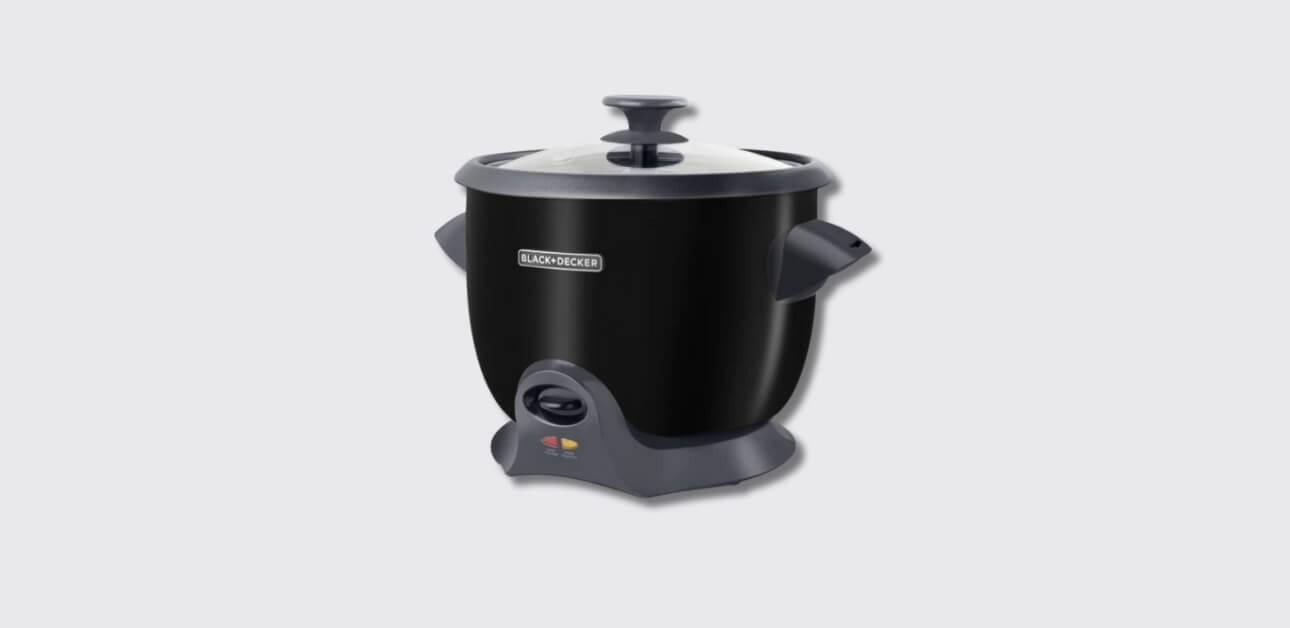
This Black and Decker Rice Cooker user manual explains how to set up the cooker, measure rice the right way, cook fluffy rice, steam food safely, clean everything without damage, and fix common problems. It’s written for everyday users who just want clear steps that work.
The manual covers key features like the COOK/WARM operation, the included 3/4-cup rice measure, the steaming basket, and model capacity rules for RC620 and RC628.
Getting to Know the Rice Cooker
A rice cooker should make life easier. That’s the whole point.
The Black and Decker Rice Cooker focuses on simple cooking with a straightforward switch, two indicator lights, and a nonstick cooking bowl. It can also steam vegetables and fish using the included basket, which helps the cooker do more than just rice.
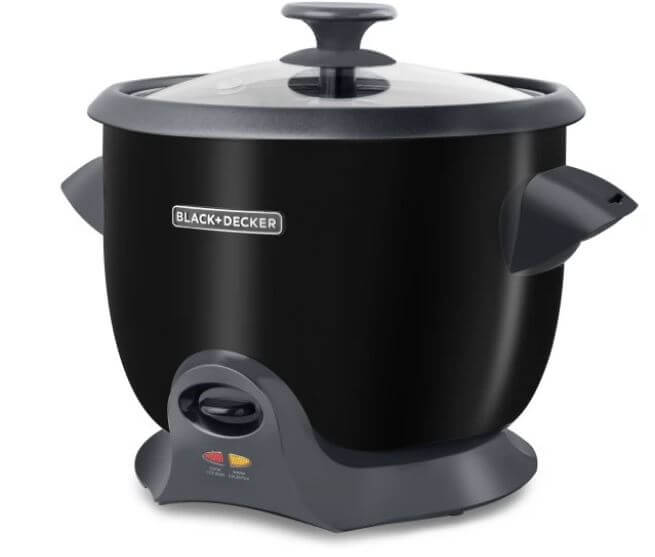
This cooker works well for beginners because it doesn’t overload the user with modes and buttons. It runs with a simple logic:
- Plug it in → it sits in WARM mode by default.
- Press the control switch down → it starts COOK.
- When the rice finishes → it automatically flips back to WARM.
- Let the rice rest → it improves the texture and taste.
That automatic switch matters because it prevents overcooking once the cooker senses the water has mostly absorbed. The user doesn’t need to guess the exact minute when rice finishes.
Instead, they follow the right measuring steps, start cooking, and let the cooker do its job.
This guide also covers key model rules:
- RC620 holds up to 10 rice-cup measures (dry).
- RC628 holds up to 15 rice-cup measures (dry).
Those numbers use the included rice measure, not a standard kitchen cup. That detail changes everything, so this manual explains it clearly in the next sections.
Safety and Smart Kitchen Habits
A rice cooker feels harmless. It looks small and friendly. But it still uses heat, steam, and electricity. A few safe habits prevent burns, spills, and damage.
Keep the cooker on a safe surface
Place the cooker on a stable, level, heat-resistant surface. Avoid soft surfaces like towels, rugs, or paper stacks. Heat and steam can warp surfaces and cause slipping. The cooker should sit where the cord won’t pull tight or hang over a counter edge.
Respect steam and hot surfaces
Steam exits through the steam vent. Steam can burn skin quickly. Keep hands and face away from the steam vent while cooking. When opening the lid, lift it away from the body so steam flows outward, not toward the face.
Don’t immerse the base in water
The cooking base contains electrical parts. Water can damage it and create safety hazards. Clean the base with a damp cloth only. Never place it in a sink full of water and never run water over it.
Use the right tools
Use the included serving spoon or other non-metal tools. Metal utensils can scratch or damage the cooking bowl’s surface. Scratches make cleaning harder and can reduce bowl life.
Be careful around the switch area
If water gets into the switch area or onto the heating plate, let it dry fully before using again. Moisture in the wrong place can cause problems.
Unplug when done
When the cooker isn’t in use, unplug it. This also helps protect the appliance from power surges.
These safety habits come straight from how the cooker is designed: it uses a heated plate, a bowl that sits on that plate, and a simple control switch that changes cooking state.
Keeping water out of the base and keeping hands away from steam solves most safety issues.
What’s in the Box and Parts Guide
Understanding each part helps the user cook better and clean faster.
These are the typical parts included with the Black and Decker rice cooker models RC620B/RC620W/RC628W:
Main parts
- Cooking base (the main unit)
- Cooking bowl (removable, nonstick)
- Glass lid
- Steaming basket
- Rice measure (important: 3/4 cup / 6 fl oz)
- Serving spoon
- COOK and WARM indicator lights
- Control switch
- Steam vent
- Lid hanger (on some models)
Why each part matters
The cooking bowl is where the rice and water go. The bowl sits on the heating plate in the base. The glass lid traps heat and moisture, which helps rice cook evenly. The steam vent releases pressure safely.
The rice measure deserves special attention. Many users accidentally use a standard kitchen cup, which throws off water ratios and leads to sticky or hard rice.
The included rice cup is smaller. This manual explains it in detail in the measurement section.
The steaming basket allows steaming vegetables or fish. The basket must stay above the water level. If water touches the basket, steaming turns into boiling, and results suffer.
Quick Setup Before First Use
New appliances often carry dust from packing or factory handling. A quick first-time setup makes the cooker clean and ready.
Step 1: Remove packaging
Take off all packaging materials. Check inside the bowl and around the lid for cardboard or plastic pieces.
Step 2: Wash removable parts
Wash these parts with warm, soapy water:
- cooking bowl
- glass lid
- steaming basket
- rice measure
- serving spoon
Rinse and dry fully.
Step 3: Wipe the base
Wipe the cooker base with a damp cloth. Keep water away from the heating plate and switch area. Dry with a clean towel.
Step 4: Place the cooker correctly
Put the cooker on a stable, heat-resistant surface with enough space around it for steam to vent safely.
Step 5: Optional registration
The official documentation references product registration at prodprotect.com/applica. Registration can help with warranty support.
This simple setup prevents strange smells during first cooking and helps the cooker perform normally from day one.
How the Black and Decker Rice Cooker Works
This section matters because many people expect a “Start” button and a digital timer. This cooker doesn’t work like that. It works in a simple, reliable way.
The cooker starts in WARM when plugged in
When the cooker plugs into power, it enters WARM mode automatically. The WARM light turns on. This does not mean the rice is cooking. It means the cooker is ready and can keep cooked rice warm.
COOK starts only when the switch is pressed down
To cook, the user presses the control switch down. The COOK light turns on. The cooker now applies higher heat to bring water to a boil and cook the rice.
Automatic switch-back to WARM
When the rice absorbs the water and the temperature rises, the cooker senses the change and automatically flips back to WARM. This prevents burning and overcooking.
The 15-minute rest rule
The cooker’s job ends when it flips to WARM, but rice still improves if it rests. The official guidance recommends resting rice for about 15 minutes on WARM with the lid on. Then the user fluffs the rice.
That rest time helps moisture redistribute. It reduces wet spots and improves texture. Skipping it can leave rice uneven, especially if the user cooked a larger batch.
So the “secret” to better rice is not fancy settings. It’s:
- measure correctly,
- let it cook,
- let it rest,
- fluff, then serve.
Measuring Rice and Water the Right Way
Incorrect measuring causes most rice problems. This rice cooker uses a rice cup that is not equal to a normal measuring cup.
The rice cup is 3/4 cup (6 fl oz)
The included rice measure equals:
- 3/4 standard cup
- 6 fl oz
So if a recipe says “2 cups of rice” but doesn’t specify, the user must confirm whether it means:
- 2 rice cups, or
- 2 standard cups.
This cooker’s capacity and charts use rice cups.
How much cooked rice does one rice cup make?
The official rule of thumb:
- 1 rice cup dry yields about 2 standard cups cooked.
That helps users estimate serving size.
Practical conversion table
This table helps users avoid confusion:
| Dry Rice Measurement | Equivalent Standard Cups (Dry) | Approx Cooked Yield (Standard Cups) |
| 1 rice cup | 0.75 cup | ~2 cups cooked |
| 2 rice cups | 1.5 cups | ~4 cups cooked |
| 4 rice cups | 3 cups | ~8 cups cooked |
| 6 rice cups | 4.5 cups | ~12 cups cooked |
This table uses the official “1 rice cup → ~2 cups cooked” guideline and the 3/4 cup definition.
Capacity limits (don’t exceed)
Overfilling can cause boil-over, uneven cooking, and a messy heating plate.
- RC620: max 10 rice cups dry
- RC628: max 15 rice cups dry
If the user wants to cook rice plus steam vegetables at the same time, the safe limit drops. That section appears later, and it’s important.
Water measurement guidance
The official manual includes rice cooking charts with water amounts. Since rice type varies (white, brown, jasmine, basmati), the best practice is:
- Use the chart that comes with the cooker for your rice type.
- If the user adjusts texture, adjust water slightly.
The troubleshooting section shows how to adjust water safely for sticky or dry rice without guessing wildly.
How to Cook Rice (Basic Method)
Here’s a complete routine that works for most rice types when the user follows the chart or known ratios.
Step 1: Measure the rice
Use the included rice measure. Level the rice in the cup (don’t pack it down). Pour rice into the cooking bowl.
Step 2: Rinse the rice (optional but helpful)
Many users get better texture when they rinse white rice. Rinsing removes extra surface starch that can cause stickiness. Rinse in the bowl or a separate strainer until the water looks less cloudy. Then drain.
Rinsing is optional, but it often improves results, especially for jasmine and long-grain rice.
Step 3: Add water
Add water according to the chart for the rice type and number of rice cups. If the user doesn’t have the chart handy, start with the most common approach and adjust later:
- If rice feels too firm → add a little more water next time.
- If rice feels too soft → reduce water slightly next time.
Step 4: Dry the outside of the bowl
Wipe the outside of the cooking bowl so it’s dry. Water on the outside can cause noise, steam, or residue on the heating plate.
Step 5: Place the bowl into the base
Ensure it sits flat on the heating plate. Don’t tilt it. Don’t place food directly on the heating plate.
Step 6: Put on the lid
Place the glass lid properly so it sits steady.
Step 7: Plug in (WARM light comes on)
Once plugged in, the cooker sits at WARM.
Step 8: Start cooking
Press the control switch down to start COOK. The COOK light turns on.
Step 9: Let it cook without constant opening
Opening the lid releases steam and slows cooking. Let the cooker finish.
Step 10: Auto switch to WARM
When rice finishes, the cooker flips to WARM automatically.
Step 11: Rest for 15 minutes
Keep the lid on. Let rice rest for about 15 minutes on WARM.
Step 12: Fluff and serve
Use the serving spoon. Fluff gently to separate grains. Serve.
This routine solves most rice cooking problems because it respects how the cooker senses temperature changes. It also matches the recommended rest time for better texture.
See, how to cook fluffy rice in a rice cooker here.
Steaming Food Process (Using the Basket)
Steaming adds a lot of value to a basic rice cooker. It’s great for vegetables, fish, dumplings, and quick reheating. The main rule: steam uses water, but the basket should never sit in water.
Step 1: Add water to the bowl
Add about 1.5 cups of water to the cooking bowl for steaming. This is the typical steaming amount recommended for these models.
Step 2: Place the bowl into the base
Make sure the bowl sits flat.
Step 3: Put food into the steaming basket
Arrange food in a single layer when possible. Don’t cram. Crowding slows steaming.
Step 4: Place the basket into the cooker
The basket must sit above the water level. The water should not touch the basket. If it does, remove some water.
Step 5: Cover with lid
Place the glass lid securely.
Step 6: Start cooking (COOK)
Plug in, then press the control switch down to start COOK.
Step 7: Watch the steaming time
Here’s an important behavior: when steaming without rice, the cooker may not switch to WARM automatically. That means the user should monitor food and check doneness.
A practical approach:
- Check doneness after about 5 minutes, then continue steaming as needed.
- Larger pieces take longer. Smaller pieces finish faster.
Step 8: Turn off safely
When food finishes, unplug the cooker (or allow it to go to WARM if it switches). Use oven mitts to lift the lid away from the face. Remove basket carefully.
Step 9: Let hot water cool before dumping
Hot water can burn. Let it cool slightly, then pour it out carefully.
Steaming is simple once the user understands that the automatic switch behavior can differ when no rice sits in the bowl. That’s not a malfunction. It’s normal for steaming in this style of cooker.
Cooking Rice and Steaming Together (The Safe Limit)
Many users want to cook rice in the bowl and steam vegetables above it. This works, but it changes capacity rules.
The key limit
When cooking rice and steaming vegetables together, the cooker should use no more than 2 rice measures (2 rice cups).
This limit protects against boil-over and ensures the steam basket gets enough steam without forcing the cooker into unstable boiling.
Why the limit matters
Rice expands as it cooks. Steam condenses on the lid and drips back down. Vegetables also release moisture. When the user cooks a large amount of rice under a steam basket, the water can foam up and overflow.
Best practice approach
- Cook 2 rice cups max.
- Use vegetables that steam quickly (broccoli florets, carrots slices, green beans).
- Cut vegetables evenly so they finish around the same time.
- Start steaming closer to the end of rice cooking if needed, so vegetables don’t overcook.
This combined cooking method saves time, but it needs discipline on batch size.
Helpful Hints for Better Rice Every Time
Rice seems simple, yet it can go wrong in small ways. This section shares practical habits that bring consistent results.
Keep the bowl and heating plate clean
Residue on the heating plate can cause uneven heating. A dirty heating plate may also cause smell or discoloration.
Use the rest time
That 15-minute rest isn’t optional if the user wants the best texture. It helps rice finish gently and reduces wet clumps.
Fluff properly
Fluffing separates grains and releases trapped steam. Stirring too hard can mash rice, especially softer varieties.
Keep rice warm the right way
WARM mode keeps rice at serving temperature. But rice will slowly dry out if it sits for too long. The user should serve within a reasonable time window and store leftovers safely.
Add flavor without making a mess
Users can add simple flavor boosters:
- a pinch of salt
- a small amount of oil or butter (also helps reduce foaming)
- broth instead of water (if desired)
But users should avoid heavy sauces during cooking because they can burn on the bowl and make cleanup harder.
Don’t guess—write down what works
Once the user finds the perfect water level for their favorite rice, it helps to note it:
- Rice type
- Number of rice cups
- Water amount
- Result (soft, firm, fluffy)
That simple habit makes future cooking repeatable.
Texture Fixes: Sticky, Dry, Hard, or Mushy Rice
Rice results usually fall into a few predictable issues.
If rice feels undercooked or hard
Common causes:
- not enough water
- lid opened too often
- skipped rest time
Fix:
- Let the rice rest 15 minutes on WARM (many times this solves it).
- If it still feels hard, add a small amount of water, stir lightly, press COOK again for a short time, then allow it to switch back to WARM.
This matches the official troubleshooting guidance: rest first, then add water if needed.
If rice boils over
Common causes:
- too much rice
- too much water
- starchy rice not rinsed
- cooker filled near capacity
Fix:
- Reduce rice/water batch next time.
- Add a small amount of oil or butter to reduce foaming.
- Rinse rice if it’s very starchy.
If boil-over happens mid-cook, the user can remove the lid carefully and stir briefly, then continue.
If rice turns sticky
Common causes:
- too much water
- rice not rinsed
- warm holding too long
Fix:
- Use slightly less water next time.
- Rinse rice before cooking.
- Avoid holding too long on WARM.
If rice turns dry
Common causes:
- not enough water
- rice held too long on WARM
Fix:
- Add a little more water next time for softer rice.
- Serve sooner or store leftovers instead of holding for many hours.
If rice turns mushy
Common causes:
- too much water
- cooking too small a batch with too much water
- very soft rice type
Fix:
- Reduce water next time.
- Measure carefully using the rice cup.
These fixes keep things practical and predictable. Users don’t need to “experiment” randomly. They adjust in small steps.
Cleaning and Care (Daily + Deep Clean)
Cleaning is where many rice cookers get damaged. Users scrape the bowl with metal or soak the base.
Daily cleaning after cooking
- Unplug the cooker and let it cool.
- Remove the lid and bowl.
- Wash the bowl and lid with warm, soapy water or place them in the dishwasher if desired (these parts are dishwasher safe).
- Wash the steaming basket and utensils.
- Dry everything fully before reassembling.
Cleaning the base (most important rule)
- Never immerse the base in water.
- Wipe it with a damp cloth.
- Keep water away from the heating plate and switch.
If water spills inside the base area:
- Dry it thoroughly.
- Let it air out before using again.
Removing stuck-on rice without damage
If rice sticks:
- Soak the bowl with warm water for 10–20 minutes.
- Use a soft sponge.
- Avoid abrasives and harsh scrubbers.
Deep cleaning routine (every few weeks)
- Wipe the heating plate gently.
- Clean the lid vent area.
- Check the rim of the bowl and the seal area for dried starch.
- Inspect the cord for wear and the switch for smooth movement.
A clean cooker runs more evenly and smells fresher. It also protects the nonstick surface.
Troubleshooting (Fast Fixes That Actually Work)
The most common issues and the best response.
Problem: Rice is undercooked
Likely causes:
- not enough water
- cooker opened too often
- skipped rest time
Fix:
- Rest 15 minutes on WARM first.
- Add a little water and cook again briefly if needed.
Problem: Rice boils over
Likely causes:
- too much rice/water
- starchy rice not rinsed
Fix:
- Reduce batch size next time.
- Add a little oil/butter to reduce foaming.
- Rinse rice.
Problem: Rice is too sticky
Likely causes:
- too much water
- rice not rinsed
- held too long on WARM
Fix:
- Use less water next time.
- Rinse rice.
- Serve sooner.
Problem: Rice is too dry
Likely causes:
- too little water
- held too long on WARM
Fix:
- Use slightly more water next time.
- Don’t hold for too long.
Problem: Steaming doesn’t switch to WARM
This can be normal when steaming without rice.
Fix:
- Monitor steaming time and check doneness.
- Unplug the cooker when food finishes.
Problem: Cooker smells odd
This often happens on first use or when starch residue remains.
Fix:
- Wash removable parts.
- Wipe heating plate and bowl exterior.
- Cook a water-only cycle once, then clean.
Troubleshooting stays simple because the cooker design stays simple. Most issues come from measurement, capacity, or cleaning.
Cooking Guides and Practical Charts
The official documentation includes charts for:
- rice cooking times and yields
- steamed vegetables
- steamed fish
Rice cooking: what affects time and texture
Rice cooking time changes based on:
- rice type (white vs brown)
- grain length (short vs long)
- whether the rice was soaked
- room temperature water
- batch size
Instead of chasing exact minutes, users should focus on the cooker’s behavior:
- COOK starts
- cooker switches to WARM automatically
- rice rests 15 minutes
- rice fluffs and serves
That method works because the cooker uses temperature cues, not a timer.
Vegetable steaming: how to judge doneness
Vegetables steam best when cut evenly. Small pieces steam faster. Large pieces need more time. A good approach:
- check after 5 minutes
- continue in short checks until tender-crisp or soft, based on preference
Vegetables that steam well:
- broccoli florets
- carrots slices
- green beans
- cauliflower
- zucchini slices
Fish steaming: the lemon-water method
The manual includes a fish-steaming method that uses:
- about 1.5 cups of water
- thick lemon slices placed in the water
- seasoning fish with lemon juice and seafood seasoning
This adds aroma and keeps the fish from tasting flat. Fish steams quickly compared to rice, so the user should check doneness early and avoid overcooking.
Common tasks and what to do
This quick chart helps a beginner decide what steps matter most.
| Task | Best Practice | Common Mistake to Avoid |
| Cook rice | Use rice cup, start COOK, rest 15 min | Using a standard cup by mistake |
| Steam veggies | Basket above water, check doneness | Letting water touch basket |
| Rice + steam | Max 2 rice cups | Overfilling and causing boil-over |
| Cleaning | Bowl/lid washable, base wipe only | Immersing the base in water |
| Texture fix | Adjust water in small steps | Changing too many things at once |
Simple Recipes and Serving Ideas
This section keeps recipes practical. It uses the cooker’s strengths: hands-off cooking and steady heat.
Basic seasoned white rice
- Measure rice using the rice cup.
- Rinse if desired.
- Add water according to the chart or preferred ratio.
- Add a pinch of salt and a small amount of butter or oil.
- Cook and rest 15 minutes.
- Fluff and serve.
This simple recipe improves flavor and also reduces foam risk slightly.
Steamed vegetable bowl
- Cook rice using the basic method.
- When rice nears completion (or during the last stage), place vegetables in the steaming basket.
- Keep rice amount at 2 rice cups max if steaming simultaneously.
- Steam until vegetables reach desired tenderness.
- Serve vegetables over rice with a simple dressing.
Lemon-steamed fish
- Add 1.5 cups water to the bowl.
- Add thick lemon slices into the water.
- Place fish in basket, season with lemon juice and seafood seasoning.
- Steam and check early to avoid overcooking.
- Serve with rice or steamed vegetables.
Leftover rice refresh trick
If rice sits and dries slightly:
- Sprinkle a small amount of water on top, cover, and warm briefly.
- Don’t soak it. Just a little moisture helps.
Food safety matters too. If rice sits out too long at room temperature, refrigerate leftovers quickly and reheat safely.
Storage, Maintenance, and Long-Term Care
A rice cooker lasts longer when users treat it well.
Store the cooker dry
Before storing, make sure the bowl, lid, and base are fully dry. Moisture left inside can cause odor and residue.
Protect the nonstick bowl
- Avoid metal utensils.
- Avoid abrasive scrubbers.
- Don’t stack heavy items inside the bowl.
Keep the heating plate clean
A clean heating plate helps consistent cooking and reduces scorching.
Cord care
Don’t wrap the cord tightly around the base while it’s still warm. Loose wrapping prevents damage.
Regular inspection
Every month or so, check:
- bowl surface condition
- lid cleanliness
- steam vent area
- base dryness and cleanliness
These small habits prevent the “mystery problems” that usually come from residue or moisture.
Warranty and Support Basics
The official documentation includes a 2-year limited warranty and references product registration at prodprotect.com/applica. Warranty terms can vary by region. If the user needs service:
- keep proof of purchase
- use the model number (RC620B/RC620W/RC628W)
- describe the problem clearly (undercooked, boil-over, switch issue, etc.)
A good support request includes:
- model number
- what the user cooked (rice type and amount)
- whether they used the included rice cup
- what happened (and at what stage)
That info helps support teams solve issues faster.
Glossary
COOK mode: The cooker’s active cooking state. It heats strongly to boil water and cook rice.
WARM mode: A lower-heat holding state that keeps rice warm after cooking.
Rice cup: The included measure. It equals 3/4 cup (6 fl oz), not a standard 1 cup.
Boil-over: When foam and water bubble up and spill over the bowl edge.
Steaming basket: The insert used to steam food above water.
Resting rice: Keeping rice covered on WARM for about 15 minutes after cooking to improve texture.
Fluffing: Gently lifting and separating rice grains with a spoon to release steam and improve texture.