

Congratulations on choosing the GE Appliances Dishwasher. This modern appliance is designed to make dishwashing faster, easier, and more efficient.
With advanced wash cycles, energy-saving technology, and intuitive controls, this dishwasher is built to deliver sparkling clean dishes with minimal effort from you.
Safety Information
Before operating your GE Appliances Dishwasher, read these safety guidelines carefully. They help protect you, your family, and your appliance.
Electrical Safety
- Always connect your dishwasher to a grounded electrical outlet.
- Avoid using extension cords; plug directly into a wall outlet.
- Disconnect power before cleaning, servicing, or moving the appliance.
Operating Safety
- Use dishwasher detergents and rinse aids only—never use soap or laundry detergent.
- Never wash items contaminated with gasoline, solvents, or flammable liquids.
- Avoid leaning or sitting on the dishwasher door when open.
Child Safety
- Keep detergents and rinse aids out of children’s reach.
- Supervise children when the dishwasher is in use.
- Engage the child lock feature if your model includes it.
Water Safety
- Ensure water supply lines are secure to avoid leaks.
- Turn off water supply if the dishwasher will not be used for extended periods.
Product Overview
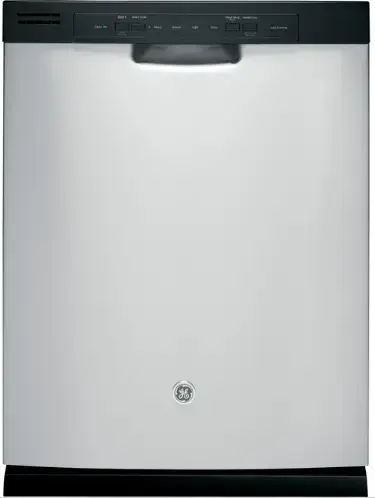
Your GE Appliances Dishwasher comes equipped with several features designed for convenience, cleaning power, and efficiency.
| Feature | Function |
| Control Panel | Allows you to select wash cycles, drying options, and start/pause functions |
| Upper Rack | Designed for cups, glasses, and small bowls |
| Lower Rack | For plates, pots, pans, and larger dishes |
| Silverware Basket | Holds utensils and cutlery |
| Spray Arms | Rotate during washing to spray water evenly |
| Filter System | Captures food particles to prevent clogging |
| Rinse Aid Dispenser | Reduces spotting and speeds drying |
Installation Guide
Proper installation ensures your dishwasher operates safely and efficiently. If you are not comfortable with plumbing or electrical work, hire a licensed professional.
Tools You’ll Need
- Phillips screwdriver
- Adjustable wrench
- Level
- Hose clamp
- Pliers
Step-by-Step Installation
- Choose the Location
Place the dishwasher near the sink for easy water and drain access. Ensure a flat, level surface. - Connect the Water Supply
Attach the water line to the dishwasher’s inlet valve using a compression fitting. - Install the Drain Hose
Connect the hose to your sink’s drain or garbage disposal. Secure with a clamp. - Make Electrical Connections
Connect the appliance to a grounded outlet or hardwire according to the manual’s wiring diagram. - Level the Dishwasher
Adjust the leveling feet so the dishwasher sits firmly without wobbling. - Test for Leaks
Run a quick cycle to check for water leaks or unusual noises.
Loading the Dishwashe
Loading your dishwasher correctly maximizes cleaning performance and prevents damage to your dishes.
Upper Rack
- Place cups, glasses, and smaller items face down.
- Angle items so water can drain freely.
- Avoid blocking the spray arm with tall items.
Lower Rack
- Place plates, pots, pans, and serving dishes.
- Avoid nesting items to ensure water reaches all surfaces.
- Heavier items should be on the sides or back.
Silverware Basket
- Mix forks, spoons, and knives to prevent nesting.
- Place sharp knives blade-down for safety.
Using the Dishwasher
Adding Detergent
- Open the detergent dispenser and add the recommended amount of dishwasher detergent.
- For heavily soiled loads, use the maximum fill line.
Adding Rinse Aid
- Open the rinse aid dispenser cap.
- Fill until the indicator shows “Full.”
- Adjust the rinse aid setting based on water hardness.
Selecting a Wash Cycle
Your dishwasher may have multiple wash cycle options:
| Cycle | Best For | Details |
| AutoSense | Mixed loads | Adjusts time and temperature automatically |
| Heavy | Pots, pans, heavily soiled dishes | Uses higher heat and longer cycles |
| Normal | Everyday loads | Balances cleaning and efficiency |
| Light | Glassware, lightly soiled dishes | Shorter cycle with gentle cleaning |
Drying Options
- Heated Dry – Speeds drying but uses more energy.
- Air Dry – Saves energy but may leave some moisture.
Cleaning and Maintenance
Regular maintenance keeps your dishwasher performing at its best.
Cleaning the Filter
- Remove the bottom rack.
- Twist and lift out the filter.
- Rinse under warm water, scrubbing lightly with a brush.
- Reinstall securely.
Cleaning Spray Arms
- Remove spray arms and rinse under running water.
- Use a toothpick to clear any blocked spray holes.
Interior Cleaning
- Wipe the door seal and edges with a damp cloth.
- Run an empty cycle with vinegar or dishwasher cleaner monthly.
Troubleshooting
| Problem | Possible Cause | Solution |
| Dishes not clean | Improper loading, low detergent, blocked spray arms | Reload correctly, clean spray arms, add detergent |
| Water not draining | Clogged filter or drain hose | Clean filter, check hose |
| Dishwasher won’t start | Door not latched, power off | Close door fully, check power |
| Strange noise | Items hitting spray arms | Reposition items |
Warranty Information
GE Appliances provides a 1-year limited warranty covering parts and labor for manufacturing defects. Some models include extended coverage on certain components.
To claim warranty service:
- Provide proof of purchase.
- Contact GE Appliances customer service.
Customer Support
For questions, service, or parts ordering:
- Website: www.geappliances.com
- Phone: 1-800-GE-CARES
Email: support@geappliances.com
Read Official User Manual
How to start GE Dishwasher
@mrthermister dishwasher GE GDF535PSR5SS doesn't react on buttons, locked #lancasterappliancerepair #mrthermister ♬ original sound – Mrthermister